
Руководство по драпировке и посадке ткани
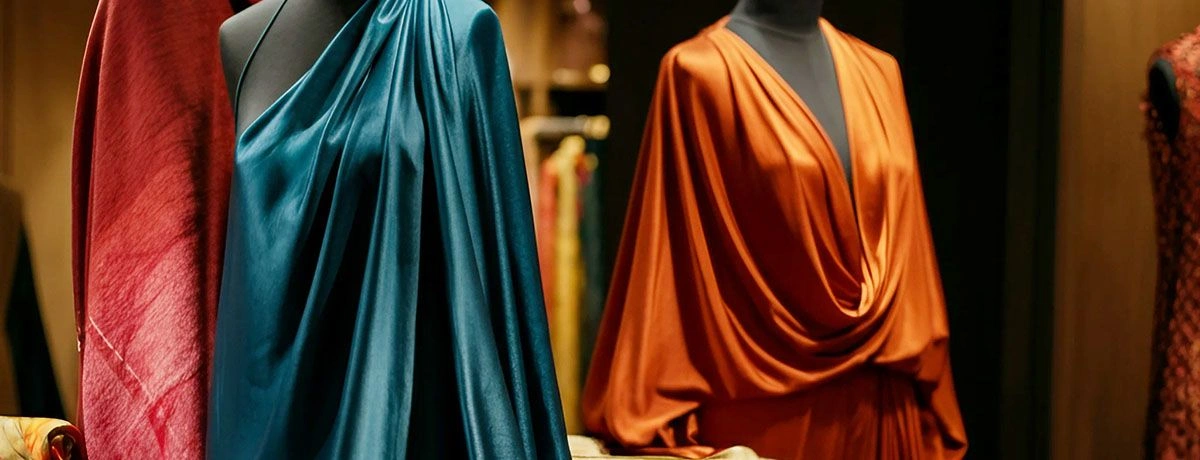
Драпировка ткани — это то, насколько свободно или жестко ткань опускается под собственным весом; посадка — это то, насколько точно ткань соответствует форме, для которой она выкроена, будь то фигура или предмет мебели.
Для производителей одежды, домашнего текстиля, импортеров и оптовиков эти два свойства определяют внешний вид, тактильные ощущения и эксплуатационные характеристики готового изделия, что напрямую влияет на удовлетворенность клиентов и помогает предотвратить жалобы или возвраты, связанные с жесткостью, плохой текучестью или проблемами с формой.
Эти два свойства определяются разными переменными: волокно и тип плетения влияют на драпировку, а эластичность и направление волокон — на посадку.
Основные выводы
- Драпировка = то, как ткань ниспадает (мягко, умеренно или жестко); посадка = то, как она принимает форму. Разные свойства, разные характеристики.
- Драпировка определяется главным образом типом волокна, плотностью ткани и структурой плетения/вязания.
- Посадка ткани определяется главным образом растяжением (эластичностью), способностью к восстановлению формы и направлением волокон при раскрое.
- Драпировка измеряется с помощью теста коэффициента драпировки; подгонка осуществляется с помощью 3D-сканирования или пробных примерок.
- При закупках для бизнеса (B2B) укажите состав волокон, плотность (г/м²), процент растяжения и процент восстановления.
Что такое драпировка и посадка ткани?
В производстве
Драпировка ткани — это то, как ткань ниспадает или струится после снятия с рулона и под собственным весом изделия или текстильного предмета, включая то, как она ложится на изделие; у струящейся ткани драпировка хорошо собирается и облегает тело. Посадка — это то, как ткань принимает форму, для которой она предназначена, — тела, подушки, матраса. Оба свойства влияют на визуальный результат, комфорт и функциональность готового изделия, но они обусловлены разными механизмами ткани и должны указываться независимо друг от друга.
Для производителей одежды драпировка определяет, как изделие движется и выглядит на фотографиях, а посадка определяет, как оно сидит на теле. Для производителей домашнего текстиля драпировка определяет, как шторы, простыни или обивка висят и собираются, а посадка определяет, правильно ли чехлы, наволочки и облегающие изделия сидят на изделии, для которого они предназначены.
Почему это важно для удовлетворенности покупателей
Драпировка и посадка — два самых быстрых способа, которыми выбор ткани проявляется в жалобах конечных потребителей. Жесткая ткань, используемая для вечернее платье Ткань выглядит дешево, даже если волокна тонкие; мягкая, струящаяся ткань выглядит элегантно. Та же логика применима и к домашнему текстилю: выбор штор должен соответствовать комнате и общему стилю, и они могут формировать облик пространства; если они висят неаккуратно или простыни не держатся плотно, возврат неизбежен, независимо от качества волокон.
Драпировка ткани: определение, виды и факторы, влияющие на нее.
Что такое драпировка тканью?
Драпировка ткани — это то, насколько свободно или жестко кусок ткани опускается под действием силы тяжести. Она определяется механическими свойствами ткани, жесткостью на изгиб, весом и поверхностным трением, которые в совокупности делают ткань либо мягкой и струящейся, либо жесткой и структурированной. Хорошая драпировка тесно связана с текучестью, и раскрой изделия по косой может увеличить его эластичность и текучесть. Текучая драпировка позволяет ткани повторять контуры тела, при этом сохраняя складки, поэтому драпировка рассматривается как отдельный параметр, отличный от прочности или состава волокон.
Характеристики драпировки
| Категория драпировки | Типичные примеры тканей | Диапазон веса ткани | Наиболее подходящее B2B-приложение |
|---|---|---|---|
| Мягкая драпировка | Шифон, шелк, вискоза | Легкий (менее ~100 г/м²) | Вечерние платья, шарфы, декоративные занавески |
| Умеренная драпировка | Хлопковые смеси средней плотности, креп | Средняя плотность (~100–200 г/м²) | Блузки, платья, одежда в целом |
| Жесткая драпировка | Джинсовая ткань, холст, твил | Плотная ткань (200+ г/м²) | Куртки, рабочая одежда, строгая обивка |
-
Мягкая драпировкалегкие ткани, такие как шифонШелк или вискоза мягко струятся; ткани с высокая драпировка , такие как Ткань «Райский атлас» Для вечерних и свадебных нарядов отлично подходит крепдешин, а органза — легкая ткань, подходящая для драпировки, когда вам нужно более выразительный силуэт. воздушный закончить.
-
Умеренная драпировкаТкани этой ленты плотно прилегают к телу, не обтягивая его, обеспечивая баланс между свободой движений и структурой, что делает одежду универсальной; полиэстера Смеси часто используются здесь для производства одежды и предметов декора.
-
Жесткая драпировкаболее плотные ткани, такие как ткань оксфорд для создания долговечных, структурированных конструкций создайте объемная драпировка или поддерживать четкий силуэт, а к тканям с низкой драпировкой относятся джинсовая ткань, вельвет и обивочная тканьТюль — воздушный материал, подходящий для летних свадебных платьев.
Что влияет на драпировку и плотность ткани?
Лучший способ оценить драпировку — сравнить разные ткани по тому, как они висят, изгибаются и ложатся в реальных проектах, но три фактора объясняют большую часть разницы между мягкой и жесткой драпирующейся тканью:
-
Тип волокнаНатуральные нитевидные и штапельные волокна сильно различаются; хлопок и лён, как правило, обладают меньшей драпировкой и большей жёсткостью во многих конструкциях, в то время как шёлк часто более мягкий, хотя отделка и соотношение компонентов смеси могут это изменить.
-
Вес ткани (GSM)Более плотные ткани, как правило, жестче, чем более легкие, и лучше держат форму, но легкие ткани не обязательно подходят и не гарантируют хорошую драпировку. Плотность ткани (GSM) — это число, которое следует указывать в спецификации, а не субъективное обозначение «легкая» или «тяжелая».
-
Структура плетения и вязанияПереплетающийся узор изменяет драпировку независимо от волокна и веса; он влияет на то, останется ли ткань жесткой, будет ли она торчать в складках или расслабится, приняв более струящуюся форму. Например, сатин Полотняное переплетение обеспечивает более гладкую и струящуюся драпировку, чем полотняное переплетение аналогичной плотности, благодаря большей длине протяжек, в то время как такие трикотажные изделия, как... Ткань Dri-Fit, 100% полиэстер Для спортивной одежды, предназначенной для высоких результатов, важно соблюдать баланс между свободой движений и отводом влаги.
Драпировка против посадки: сравнение двух вариантов.
| Ткань Драп | Ткань Fit | |
|---|---|---|
| Определяет | Как ткань висит под собственным весом | Как ткань принимает заданную форму |
| Основные движущие силы | Тип волокна, плотность ткани (г/м²), тип плетения/вязания | Растяжение %, восстановление %, линия зерна |
| Измерено | Тест коэффициента драпировки | 3D-сканирование тела, примерка. |
| Технические характеристики, которые может запросить покупатель. | Плотность ткани (GSM), состав волокон, тип плетения. | Растяжение %, восстановление %, устойчивость зерна |
| Не удаётся, так как | Жесткая, мешковатая или слишком мягкая ткань | Свободно скрученная, перекрученная или не держащая форму ткань. |
Выбор ткани для штор в зависимости от модели и способа посадки.
В производстве
Подбор ткани в соответствии с конечным назначением помогает создать желаемый силуэт и функциональные характеристики: для струящегося платья и приталенного жакета необходимы противоположные профили драпировки, а для простыни на резинке и плоских штор — противоположные приоритеты по посадке.
-
Производство одеждыДля пошива платьев, юбок и блузок необходимы мягкие, хорошо драпирующиеся ткани, способные удерживать складки и сборки, что делает их подходящими для пошива одежды, такой как платья, юбки, блузки и пижамы; для более жестких изделий, таких как пиджаки, требуются более плотные ткани с более высоким показателем GSM. эластичная в четырех направлениях тканая костюмная ткань с добавлением полиэстера и спандекса, если вам нужна более плотная посадка для восстановления.
-
Покрывала / ПледыДля струящихся штор необходимы мягкие, ниспадающие ткани, и важно правильно выбрать подходящий вариант. ткань для штор Для технического задания на дизайн цвет имеет такое же значение, как и подходящий цвет, наряду с соответствующим подбором элементов. Люверсы и кольца для штор для завершения конструкции верхней части каркаса. Для плотно прилегающей обивки и постельного белья необходимы ткани с высокой восстанавливаемостью, и драпировочная ткань Доступен в различных вариантах толщины и отделки, чтобы соответствовать эстетике проекта, включая универсальные опции, такие как Полиэстеровая ткань Катрина Для униформы, юбок и занавесок. Там, где структура важнее, чем драпировка, лучше выбрать варианты с низкой драпировкой, такие как лен или обивочная ткань.
Закупка ткани, обеспечивающей правильную драпировку и посадку, у компании MH (Обзор поставщика)
Компания MH (Ningbo MH), основанная в 1999 году, является китайским поставщиком швейной фурнитуры и материалов для пошива одежды. глобальный масштаб Обслуживание покупателей из более чем 150 стран, а также стабильное качество посадки и драпировки при повторных заказах — одно из основных требований, которые клиенты MH в сфере B2B предъявляют к закупкам. Покупатели также могут выбирать из огромного ассортимента MH по типу ткани, принтам, узорам и требованиям бренда.
Для производителей одежды, импортеров и оптовых продавцов домашнего текстиля работа с поставщиком такого масштаба означает:
-
Стабильные партии — Ткани сотканы и обработаны с обеспечением повторяемых значений плотности (GSM), эластичности и восстановления формы при каждом повторном заказе, поэтому драпировка и посадка не меняются от партии к партии.
-
Материалы в одном месте — Подберите к основной ткани нитки подходящего цвета, отделку из эластана, подкладку и дублерин от того же поставщика под марками MH и TWO BIRDS. Вышивальная нить из вискозы 150D/2 для декоративной вышивки Швейная нить с сердечником из полиэстера 50/2 для швов на модной и верхней одежде.
-
Глобальный опыт логистики — поставщик, уже осуществляющий поставки в более чем 150 стран и имеющий признанные торговые репутации («Входит в топ-500 компаний сферы услуг Китая», «Надежная компания высшего уровня»).
-
Индивидуальные характеристики — Состав волокон, плотность (GSM), процент растяжения/восстановления, тип плетения или вязания, а также ширина, указанные для каждой производственной партии, при этом минимальный объем заказа и сроки выполнения заказа обсуждаются заранее.
Если вы сравниваете предложения по тканям, которые имеют решающее значение для драпировки или посадки, запросите у любого поставщика в письменном виде информацию о составе волокон, плотности (GSM), структуре плетения или трикотажа, проценте растяжения и проценте восстановления, а не просто описание тактильных ощущений. Команда MH рассчитывает цены, исходя из этих же параметров, поэтому вы можете сравнивать аналогичные предложения. Свяжитесь с MH, чтобы получить расчет стоимости ткани, имеющей решающее значение для драпировки или посадки, на основе технических характеристик.
Запросить коммерческое предложение на основе технических характеристик →


Часто задаваемые вопросы
В чём разница между драпировкой ткани и посадкой ткани? Драпировка — это то, как ткань висит или струится под собственным весом в свободном состоянии; посадка — это то, насколько точно ткань соответствует определенной форме после раскроя и пошива. Драпировка определяется главным образом волокнами, весом и переплетением; посадка определяется главным образом растяжением, восстановлением формы и направлением долевой нити.
Как измеряется драпировка ткани? Драпировка ткани измеряется с помощью теста на коэффициент драпировки, при котором круглый образец ткани удерживается за центр и измеряется, насколько он деформируется и складывается под действием силы тяжести. Более низкий коэффициент драпировки указывает на более мягкую, более текучую драпировку; более высокий коэффициент указывает на более жесткую ткань.
Какая плотность ткани (в г/м²) обеспечивает наилучшую драпировку для вечернего платья? Для вечерних нарядов обычно используются ткани плотностью менее 100 г/м², такие как шифон, шелк или смесовые вискозные ткани, поскольку меньший вес позволяет ткани свободно ниспадать и плотно прилегать к телу. Для струящихся силуэтов часто лучше всего подходят легкие ткани с высокой драпировкой, хотя не все легкие ткани будут вести себя одинаково. Более плотные ткани плотностью более 200 г/м², такие как деним или холст, подходят для более структурированных изделий.
Что следует указать при заказе ткани для изделия, сшитого по фигуре? Укажите процент растяжения в обоих направлениях (основа/уток или ряд/рубчик для трикотажа) и процент восстановления после определенного цикла растяжения-снятия растяжения, а также состав волокон и плотность (GSM); для структурированного трикотажа, например, трикотажная ткань в рубчик Для воротников и отделки рубашек поло важны также высота и жесткость воротника. Именно эти параметры, а не общее описание «эластичности», позволяют поставщику поддерживать одинаковую посадку в разных производственных партиях. Если вы заказываете ткань для штор, уточните, сколько метров вам нужно, и подтвердите количество метров, поскольку общее количество зависит от длины, ширины и раппорта готовой шторы.
