
Саржевые ткани: полное руководство
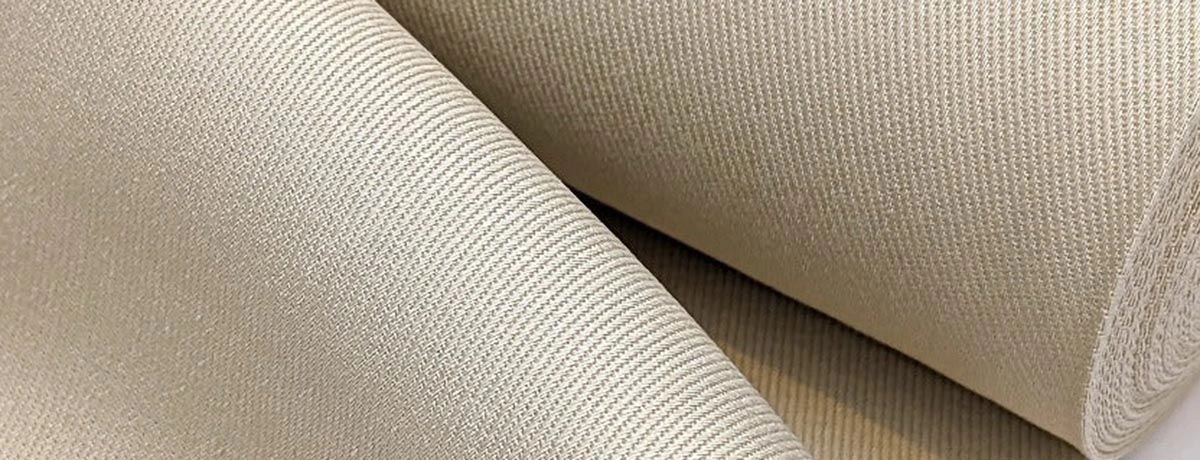
Ткани саржевого переплетения — это тканые материалы с диагональным ребристым узором, ценящиеся за высокую прочность, хорошую драпировку и устойчивость к загрязнениям, поэтому они широко используются в производстве джинсовой ткани, рабочей одежды и домашнего текстиля.
Твил — одна из трех основных тканых структур, и для команд, занимающихся закупками, он часто имеет наибольшее коммерческое значение. Объем мирового рынка джинсовой ткани и твила достиг примерно 30.24 млрд долларов США в 2025 году и, согласно прогнозам, будет расти примерно на 6.0% в год до 2035 года. Если вы закупаете ткань для производства одежды, рабочей одежды или домашнего текстиля, твил — это статья расходов, которую вы обсуждаете почти каждый сезон.
Это руководство предназначено для B2B-покупателей тканей, импортеров и команд по закупкам. Оно посвящено решениям, влияющим на выполнение заказа: конструкция плетения, характеристики веса и состава, сертификаты соответствия импортным требованиям, типы саржевых тканей, минимальный объем заказа, отбор образцов, контроль качества, экологичность, а также как оценить поставщика саржевых тканей, такого как MH.
Для предприятий, занимающихся крупномасштабными закупками прочных и универсальных текстильных изделий, важно понимать следующее: саржевые ткани оказывает прямое коммерческое влияние на выбор поставщиков, соблюдение нормативных требований, стоимость и характеристики продукции.
Основные выводы
- Объем рынка джинсовой/твиловой ткани в 2025 году составит около 30 млрд долларов США, а среднегодовой темп роста до 2035 года составит примерно 6%.
- При выборе материала важны такие характеристики, как коэффициент плетения (2/1, 3/1), плотность (г/м²), состав волокна и ширина — а не просто "прочность и универсальность".
- В большинстве стран, где осуществляется импорт, наличие сертификатов (GOTS/OCS, GRS, OEKO-TEX, ISO 9001) в настоящее время является обязательным требованием покупателей, а не просто желательным дополнением.
- Компания MH производит и поставляет хлопчатобумажные, полиэстеровые и смесовые ткани саржевого плетения, предоставляя услуги по изготовлению образцов и оформлению экспортной документации.
Что такое саржевая ткань?
Саржевое переплетение — один из древнейших типов переплетения, наряду с атласным и простым, и поскольку оно используется уже тысячи лет, его точное происхождение трудно определить. Оно определяется диагональным рубчиком, или «рубчиком», который образуется, когда уточная нить проходит над одной основной нитью и под двумя или более в шахматном порядке, повторяясь; название происходит от древнеанглийского слова «twili», заимствованного из латинского «bilix».
Именно эта структура придает саржевому переплетению узнаваемую диагональную линию и коммерческую репутацию прочного материала, и оно может быть соткано из различных волокон, включая хлопок, шерсть, шелк и синтетику. Деним, габардин, чинос и саржа — все это саржевое переплетение, поэтому оно встречается в одежде, рабочей одежде и т.д. домашний текстиль программ.
Для покупателя практический вывод заключается в том, что диагональное расположение нитей в саржевом переплетении позволяет нитям располагаться плотнее, чем в простом переплетении. Это означает более высокое соотношение прочности к весу, лучшую драпировку и меньшее загрязнение, именно поэтому этот материал доминирует в категориях тканей для униформы и низов.
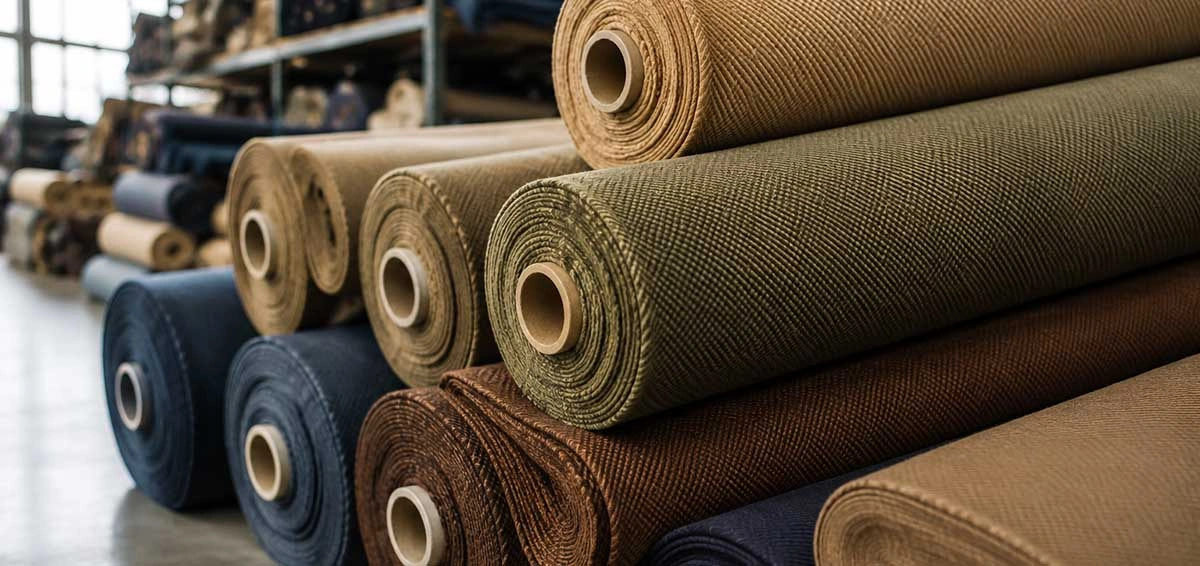
Что именно указывают покупатели
-
Коэффициент плетения: саржевое переплетение 2/1 или 3/1 (с лицевой стороной из основы), которое определяет внешний вид и тактильные ощущения; покупатели также могут столкнуться с односторонним, саржевым переплетением с лицевой стороной из основы и с лицевой стороной из утка, в зависимости от требуемого акцента на поверхности.
-
Вес / GSMот саржи плотностью ~130 г/м², подходящей для рубашек, до тканей плотностью более 300 г/м², используемых для брюк и рабочей одежды.
-
Состав: 100% хлопок, полиэстер/хлопок (например, 65/35, 80/20) или смесовые ткани, обладающие улучшенными характеристиками, такие как хлопок / нейлон.
-
Ширина и отделкаШирина резки и финишная обработка (мерсеризация, обработка под персик, водоотталкивающая обработка) определяют выход продукции и себестоимость.
Конструкция и узоры саржевого переплетения
Саржа изготавливается на ткацком станке путем смещения точки переплетения на одну нить на каждом последующем укладке, при этом уточная нить проходит над и под нитями основы со смещением, создавая диагональный узор. Саржа 3/1 (уток под тремя, уток над одной) имеет лицевую сторону из нитей основы и часто используется в джинсовой ткани; саржа 2/1 более легкая и мягкая.
Для саржевого переплетения характерны диагональные линии, образованные нитями основы и утка, а использование большего количества нитей утка или большего акцента на нитях основы меняет то, какая сторона наиболее заметна. Поскольку переплетений меньше, чем в простом переплетении, та же плотность пряжи дает более плотную и износостойкую ткань — именно поэтому саржевое переплетение превосходит простое по всем параметрам. Рабочая одежда из саржи T/C 65/35 приложений.
Направление рубчика — это реальная спецификация, а не деталь. Для большинства заказов доступны три варианта рисунка:
-
Правосторонняя саржа (Z-саржа): диагональ проходит снизу слева вверх справа — стандартный джинсовый узор.
-
Левосторонняя саржа (S-саржа): становится мягче на ощупь после стирки, используется в некоторых повседневных брюках и юбках.
-
Елочка: зеркально отраженный, обратный рубчик, используемый в куртках, униформе и обивке мебели.
Это вариации узоров в пределах саржи; ромбовидная саржа — еще один вариант, в котором мотивы расположены параллельно по всей ткани.
Для контроля качества важно отметить следующее: саржа имеет две стороны, и на лицевой стороне более выражен параллельный рубчик, поэтому ее необходимо резать в одном направлении, что влияет на расход ткани. Покупателям следует подтвердить направление рубчика на утвержденном образце перед массовой раскройкой.
Саржевое или полотняное переплетение: какой вариант выбрать?
Для большинства видов одежды, рабочей одежды и прочного домашнего текстиля саржевое переплетение является более предпочтительным; простое переплетение выигрывает там, где приоритетом является ровная поверхность, более низкая стоимость или меньшая мягкость. Диагональная структура саржи устойчива к истиранию и лучше скрывает складки и пятна, в то время как простое переплетение (поплин, брезент, простыни) обеспечивает более чистую поверхность для печати и, как правило, более низкую цену за метр при одинаковой плотности пряжи.
| фактор | Твил плетение | Простая переплетения |
|---|---|---|
| Структура: | Диагональный рубчик, лицевая сторона основы/утка | Простой бросок сверху-снизу, 1:1 |
| Долговечность | Более высокая стойкость к истиранию | Ниже при равном количестве |
| Драпировка и восстановление | Более мягкая драпировка, скрывает складки | Более плоская фигура, морщины видны |
| Наиболее подходящие программы | Джинсовая ткань, рабочая одежда, брюки чинос, униформа, обивка мебели. | Рубашки, постельное белье, ткани с принтами, подкладки |
| Резка | Одностороннее движение (в направлении кенгуру) | Двусторонний эффект, более высокая урожайность |
| Относительная стоимость | Более высокая плотность (более плотное плетение, более медленное плетение) | Низкая |
Если ваша программа предполагает интенсивную печать или вы очень чувствительны к затратам, то ткань простого переплетения может быть лучшим выбором. Для изделий, которые должны выдерживать промышленную стирку или повседневную носку, саржа оправдывает свою высокую цену.
Виды саржевой ткани, которые заказывают покупатели.
Твил — это ткань широкого ценового и эксплуатационного диапазона, отличающаяся разнообразием типов, волокон и отделки, определяющих её ключевые свойства; исторически в основном это был хлопок, но в современном твиле также используются синтетические волокна, такие как полиэстер, для создания прочной ткани для одежды и обивки, часто разных цветов. Вот наиболее востребованные виды тканей:
-
джинсовая ткань: грубый, деформированный хлопковая саржа для джинсов, курток и рабочей одежды.
-
ГабардинПлотное плетение, саржевое переплетение; плащи, костюмы, униформа и костюмы.
-
Чино / дрилл: хлопок средней плотности или полиэстер-хлопковая саржа например, саржевая ткань TC 65/35 для брюк, рабочей одежды и более легких летних вариантов.
-
Шелковый твил: приятная на ощупь, гладкая ткань, идеально подходящая для шарфов, галстуков и подкладок премиум-класса.
-
Кавалерийская саржа: выраженная диагональная двойная линия для прочных брюк и одежды для верховой езды.
-
Высококачественная саржа: водонепроницаемые хлопчатобумажные/нейлоновые и покрытые материалы для наружного и промышленного применения, где прочность и универсальность делают их идеальным выбором.
Наглядный пример: джинсовая ткань как фактор, определяющий объём продаж.
Джинсовая ткань остается крупнейшей категорией саржевой ткани, и именно поэтому прогнозируется рост этого сегмента с примерно 30 млрд долларов США до 54 млрд долларов США к 2035 году. Для импортеров такой масштаб означает большие объемы поставок, стабильные ценовые ориентиры и предсказуемые сроки выполнения заказов — это хорошее место для консолидации объемов на одной фабрике.
Как составить спецификацию на саржевую ткань для заказа на закупку?
Чистый твиловый узор зависит от пяти переменных: состава, плотности (г/м²), коэффициента переплетения, ширины и отделки. Хлопковый твил начинается с собранных хлопковых волокон, которые кардуют, прядут в пряжу и ткут в саржевом узоре. Полиэстеровый твил изготавливается химическим путем с использованием этилена и диметилтерефталата, после чего волокна прядут и ткут, поэтому ваши требования помогают поставщикам производить продукцию в соответствии с необходимыми спецификациями и планом поставок. Уточнение этих параметров до отбора проб — самый быстрый способ сократить количество пробных партий и избежать неожиданностей при оптовых закупках. По нашему опыту, большинство дорогостоящих повторных заказов связаны с недостаточным весом или неподтвержденным допуском на усадку, а не с самим волокном.
Используйте этот контрольный список в качестве отправной точки при составлении технического задания для поставщика:
-
Состав: точное соотношение компонентов смеси и номер пряжи (например, 21s x 21s, 65/35 полиэстер-хлопок).
-
Вес: целевая плотность воздуха в GSM плюс допустимый допуск (обычно ±5%).
-
Ткать: 2/1 или 3/1, направление кита, лицевая/задняя сторона.
-
Ширина: ширина, которую можно обрезать после обработки, поскольку она влияет на выход годной продукции.
-
Отделка и характеристики: мерсеризованный, персиковый, водоотталкивающий, огнестойкий, а также обладает целевыми показателями усадки и стойкости цвета.
-
Рекламные роликиМинимальный объем заказа (MOQ), цена за метр/ярд, время выполнения заказа на отбор образцов, время выполнения заказа на оптовую партию и необходимые сертификаты.
Перед подтверждением заказа запросите образец для подвешивания или лабораторного анализа, а также репрезентативный образец для массового производства. Поставщик, способный быстро обрабатывать образцы, демонстрирует реальный контроль над производством.
Устойчивое развитие и выбор материалов
Экологический след саржевой ткани почти полностью определяется выбором волокна и отделкой, поэтому это решение принимается на этапе закупки, а не принимается после. Хлопок, распространенное волокно для саржи, является возобновляемым ресурсом, но его производство все еще может вызывать деградацию почвы и загрязнение воды при использовании вредных удобрений и пестицидов. Выращивание обычного хлопка требует больших затрат воды и пестицидов, в то время как органический хлопок и переработанный полиэстер существенно снижают этот показатель. Ткань для мини-матов из 100% полиэстера Изделия из ткани, используемой для одежды и домашнего текстиля, также могут соответствовать строгим стандартам химической безопасности при надлежащей сертификации. В отличие от них, хлопчатобумажная саржа может быть биоразлагаемой при экологичном производстве, в то время как полиэстеровая саржа и другие синтетические ткани не биоразлагаемы и могут сохраняться в окружающей среде сотни лет после утилизации.
Для покупателей существует три способа снизить воздействие на окружающую среду без изменения конструкции продукта: переход на органическое или переработанное волокно там, где это позволяет сертификация, использование водосберегающих методов окрашивания и отделки, а также консолидация грузоперевозок для сокращения выбросов углерода на метр. Варианты сертификации и закупок различаются в зависимости от того, используются ли в саржевом полотне натуральные или синтетические нити. Розничные покупатели все чаще запрашивают эти данные, поэтому их сбор на этапе заказа окупается на последующих этапах.
Контроль качества и обработка тканей
Стабильное качество саржи зависит от дисциплины контроля: четырехступенчатая система проверки ткани, подтверждение усадки и стойкости цвета, а также утверждение образцов после стирки перед началом серийного производства. Плотное переплетение саржи, с плотно расположенными нитями, является одной из причин, почему это толстая ткань с длительным сроком службы в сложных условиях эксплуатации. Те же самые требования к эксплуатационным характеристикам предъявляются и к высокопрочной ткани. Швейные нитки из полиэстера 40/2 Для производства одежды необходимо обеспечить такую же прочность, как и у основной ткани. Плотное плетение саржи препятствует образованию складок, но края срезов осыпаются сильнее, чем у ткани простого переплетения, поэтому припуски на швы и отделку необходимо указывать заранее.
Практические рекомендации по обращению с продуктом, которые можно включить в пакет документов по контролю качества и техническую документацию:
-
Инспекция: применить 4-балльную систему; согласовать приемлемый лимит очков за каждые 100 ярдов.
-
усадка: подтвердить остаточную усадку после стирки; при необходимости указать санфоризацию.
-
Colorfastness: Проверьте на устойчивость к стирке, трению (стирке) и воздействию света в соответствии с требованиями вашего рынка.
-
Истирание: указать оверлочные или обработанные швы на обрезанных кромках.
-
Забота о конечном продуктеХолодная стирка, глажка при низкой температуре и раскрой по направлению ворса позволяют сохранить внешний вид; саржа также проста в уходе при обивке мебели, в том числе в местах с высокой проходимостью, поскольку диагональная поверхность помогает скрыть износ и загрязнения.
Почему стоит закупать саржевую ткань именно у MH?
MH (mh-chine.com) — китайский производитель и поставщик текстильной продукции, специализирующийся на тканых материалах, включая широкий ассортимент саржи, а также на оптовой продаже. шифон ткань Для платьев, шарфов и подкладок: 100% хлопок, полиэстер-хлопок и смесовые ткани, от рубашечных до низов и рабочей одежды. Мы являемся партнером по прямым поставкам от производителей одежды, импортеров, торговцев текстилем и производителей домашнего текстиля.
Для покупателей B2B работа с MH строится вокруг того, что действительно необходимо для выполнения заказа на покупку:
- Каталог тканей широкой саржиот 100% хлопковой саржи и полиэстер-хлопковой рабочей саржи до водонепроницаемая хлопчатобумажная/нейлоновая саржа и габардин.
- Индивидуальные характеристикиСостав, плотность ткани (GSM), ширина и отделка соответствуют вашим техническим характеристикам.
- Поддержка отбора проб: вешалки и лабораторные пробы для сокращения циклов утверждения.
- Сертифицированные материалы: варианты для органических (GOTS/OCS), переработанных (GRS) и протестированных по стандарту OEKO-TEX конструкций, с документацией на уровне заказа для соответствия требованиям импорта.
- Готов к экспорту: Минимальный объем заказа, сроки поставки и оформление отгрузочной документации для международных заказов.
Готовы заказать твил?


FAQ
Какую плотность (г/м²) следует заказать для рабочей саржи? Для рабочей одежды и брюк обычно используется саржевая ткань плотностью 240–320 г/м², обеспечивающая баланс между прочностью и комфортом; более плотная саржа часто лучше подходит для зима В то время как более легкие рубашечные твилы подходят для летних рубашек и униформы. Плотность более легких рубашечных твилов составляет около 130–170 г/м². Всегда уточняйте плотность с допуском (±5% — стандартное значение) и утверждайте образец после стирки перед выпуском партии.
Какие сертификаты мне нужны для импорта саржевой ткани? Это зависит от вашего рынка и требований. Для органического хлопка необходимы сертификаты GOTS или OCS; для переработанных синтетических материалов — GRS; для заявлений о химической безопасности используется стандарт OEKO-TEX Standard 100. Розничные покупатели в ЕС и США все чаще требуют эти сертификаты на этапе оформления заказа, а также сертификаты транзакций на уровне заказа.
Саржевое переплетение прочнее полотняного? Да, при одинаковой толщине пряжи. Диагональная структура саржи обеспечивает более плотное расположение пряжи и распределение нагрузки вдоль рубчика, что повышает износостойкость — это ключевой момент. характеристика Покупатели обращают внимание на этот фактор при выборе саржевой ткани для повседневного использования. Именно поэтому саржа преобладает в производстве джинсовой ткани, рабочей одежды и униформы, в то время как ткань простого переплетения используется для рубашек, постельного белья и тканей с принтами.
Можно ли приобрести ткань саржевого переплетения из переработанного или органического волокна? Да. Саржевое переплетение — это тип ткани, поэтому её можно изготавливать из хлопка, шерсти, шёлка, полиэстера или других материалов. спандекс смеси в зависимости по требуемой эластичности или характеристикам, аналогично 93% полиэстера и 7% спандекса. эластичная ткань, растягивающаяся в четырех направлениях Для костюмов и брюк. Укажите необходимую сертификацию (GOTS, OCS или GRS) на этапе расчета стоимости, чтобы поставщик мог подобрать сертифицированную пряжу и выдать соответствующую документацию.
Страница ресурсов
- Листы ткани Poly Twill: лучшая ткань для всех текстильных нужд
- Диван из твила: комфорт, долговечность, стиль
- Ткань хлопковая саржевая эластичная в ярдах: все, что вам нужно знать
- Микроэластичная ткань: сетчатая черная ткань Stretch Mesh по ярдам — революционный текстильный продукт
- Ткань атласная саржа в ярдах в Cameo: полное руководство
- Ткань Microtwill: Французская микросаржа для подкладки риз
